How to Launch a Profitable E-Commerce Store in South Africa
You have a product people want. Maybe you are already selling at markets, through WhatsApp orders, or from a physical store in Durban. Business is decent, but you know there is a ceiling. You can only serve customers who walk through your door or happen to see your social media post at the right moment. Meanwhile, competitors with online stores are selling 24 hours a day to customers across KwaZulu-Natal, Gauteng, the Western Cape, and beyond.
The frustration is real. You see the opportunity but the technical complexity, the platform choices, the payment gateway confusion, and the logistics headaches feel overwhelming. So another month passes and you are still taking orders via DMs.
Statistics South Africa reports that online retail in South Africa exceeded R71 billion in 2025, growing at approximately 25% year-on-year. The South African e-commerce market is expected to surpass R100 billion by 2027. That is not a trend for early adopters anymore. That is a market shift, and Durban businesses that are not selling online are leaving money on the table every single day.
This guide walks you through everything you need to know to launch a profitable e-commerce store in South Africa. Platform selection, payment processing, logistics, SEO, marketing, and the specific considerations that make the SA market unique.
Choosing the Right E-Commerce Platform for South African Businesses
The platform you build your store on determines your flexibility, scalability, and ongoing costs. Here are the three most viable options for South African businesses, with honest assessments of each.
WooCommerce (WordPress)
WooCommerce is the most popular e-commerce solution for South African businesses, and for good reason. It runs on WordPress, which means you get complete control over your store’s design, functionality, and data. There are no monthly platform fees beyond your hosting costs, and the plugin ecosystem gives you access to virtually any feature you need.
For Durban businesses, WooCommerce’s key advantage is flexibility. You can integrate with South African payment gateways like PayFast, Peach Payments, and Ozow. You can configure shipping zones specific to SA provinces. You can add Rand-based pricing without currency conversion headaches.
The trade-off is that WooCommerce requires more technical setup than plug-and-play platforms. You need a developer to build and maintain the site, or you need to invest time learning the platform yourself.
Best for: Businesses that want full control, plan to scale significantly, and value owning their data and infrastructure.
Shopify
Shopify is the simplest option for getting a store live quickly. It handles hosting, security, and updates automatically. The interface is user-friendly and you can launch a basic store within days.
The downside for South African businesses is cost and flexibility. Monthly fees range from approximately R500 to R5,000 depending on the plan, plus transaction fees on every sale if you do not use Shopify Payments. Customisation is more limited than WooCommerce, and you are building on a rented platform.
Best for: Businesses that want speed and simplicity over customisation and long-term cost control.
Custom Development
For businesses with unique requirements, a custom-built e-commerce solution provides unlimited flexibility. This is typically the most expensive option upfront but can be the most cost-effective at scale for businesses processing high volumes.
Best for: Large-scale operations with specific technical requirements, high transaction volumes, or complex integration needs.
Our recommendation for most Durban SMEs starting their e-commerce journey is WooCommerce on WordPress. The combination of flexibility, cost-effectiveness, SEO capability, and South African payment gateway support makes it the strongest all-round choice.
Payment Gateways: Getting Paid in South Africa
Accepting payments online in South Africa requires a payment gateway that supports Rand transactions, local banking, and the payment methods your customers actually use.
PayFast
PayFast is the most widely used payment gateway in South Africa. It supports credit and debit cards, instant EFT, SnapScan, Zapper, Mobicred, and Samsung Pay. Integration with WooCommerce is straightforward, and transaction fees are competitive at approximately 3.5% plus R2.00 per transaction for credit cards.
Peach Payments
Peach Payments offers a premium payment experience with support for cards, instant EFT, and mobile money. Their checkout experience is polished and conversion-optimised, which can make a meaningful difference to your sales. Pricing is competitive and they offer strong fraud protection.
Ozow
Ozow specialises in instant EFT payments, allowing customers to pay directly from their bank accounts without sharing card details. Transaction fees are lower than card payments, typically around 2.5%. For products with higher price points where customers prefer bank transfers, Ozow is excellent.
Our recommendation: Offer multiple payment options. South African consumers have strong preferences for specific payment methods, and limiting options means losing sales. At minimum, accept cards (via PayFast or Peach Payments) and instant EFT (via Ozow or PayFast’s built-in EFT option).
Logistics and Shipping in South Africa
Shipping is where many South African e-commerce businesses struggle. The logistics landscape is improving rapidly, but it still requires careful planning.
Courier Options for SA E-Commerce
The major courier services used by South African e-commerce businesses include The Courier Guy, Dawn Wing (now part of DPD), Aramex, Fastway, and the South African Post Office (for budget-conscious customers willing to wait).
The Courier Guy is the most popular choice for small to medium e-commerce businesses due to their reliability, coverage across SA, and competitive pricing for parcels. For a Durban-based business, their local depot infrastructure means same-day or next-day delivery within KZN is achievable.
Shipping Cost Strategies
Shipping costs are the number one cause of cart abandonment in South African e-commerce. According to research by PayU, 58% of South African online shoppers have abandoned a cart due to high shipping fees.
Strategies that work:
Build shipping costs into your product prices and offer “free shipping.” South African consumers respond overwhelmingly positively to free shipping even when the product price reflects the cost. Offer a free shipping threshold (e.g., “Free shipping on orders over R500”). This also increases average order value. Provide multiple shipping options with different price points and delivery timeframes.
Packaging and Fulfilment
For businesses starting out, self-fulfilment from a home office or warehouse is the most cost-effective approach. As volume grows, consider partnering with a fulfilment centre that can handle storage, picking, packing, and shipping on your behalf.
Invest in branded packaging from the start. In a market where unboxing experiences are shared on social media, a well-branded package turns every delivery into a marketing opportunity.
Building Your E-Commerce Store for Conversions
An e-commerce website that looks nice but does not convert visitors into buyers is an expensive hobby. Here are the non-negotiable elements every South African online store needs.
Product Pages That Sell
Your product pages are your sales team. Every product page must include: high-quality images from multiple angles, a clear and compelling product description, pricing in ZAR with any applicable discounts shown, accurate stock availability, shipping information and estimated delivery times, customer reviews where available, and a prominently visible “Add to Cart” button.
A Durban-based skincare brand we worked with increased their conversion rate by 42% simply by adding three additional product images, including one lifestyle shot showing the product in use, and rewriting their product descriptions to focus on outcomes rather than ingredients.
Trust Signals
South African consumers are more cautious about online shopping than their counterparts in mature e-commerce markets. Trust is everything.
Include visible trust badges for your payment gateways. Display a clear returns and exchange policy. Show customer reviews prominently. Include a physical address and phone number, people want to know there is a real business behind the website. If you have been featured in any media, show the logos.
Checkout Optimisation
Every additional step in your checkout process costs you sales. The best-performing South African e-commerce checkouts have four or fewer steps from cart to confirmation. Offer guest checkout so first-time buyers do not need to create an account. Pre-populate fields where possible. Show a progress indicator so the customer knows how many steps remain.
SEO for South African E-Commerce
Organic traffic is the most profitable traffic source for e-commerce because it is free. Investing in SEO from launch means your store builds visibility that compounds over time.
Product Page SEO
Every product page should target a specific keyword that potential buyers actually search for. “Organic rooibos tea 100g” is far more effective than “Product 247.”
Include the focus keyword in the page title, product description, URL slug, and image alt text. Write unique descriptions for every product instead of using manufacturer copy that appears on dozens of other sites.
Category Page SEO
Category pages often rank for broader commercial keywords. A page titled “Organic Skincare Products South Africa” can rank for searches that individual product pages cannot.
Structure your categories logically, include descriptive introductory text, and ensure internal linking connects products back to their categories.
Blog Content for E-Commerce
Educational content attracts visitors who are researching before purchasing. A Durban health food store could rank for “benefits of collagen supplements South Africa” and capture visitors who are in the consideration phase. The blog post introduces the topic, establishes authority, and links to the product page.
This approach combines SEO with content marketing to build a traffic engine that feeds your store consistently.
Marketing Your E-Commerce Store
Building the store is step one. Driving traffic and sales is the ongoing work that determines whether the business is profitable.
Google Shopping Ads
Google Shopping Ads display your products with images, prices, and store name directly in search results. For South African e-commerce, these ads are highly effective because they capture high-intent buyers who are actively searching for products to purchase.
Setting up Google Shopping requires a Google Merchant Centre account linked to your store and a product feed that keeps pricing and availability synchronised.
Facebook and Instagram Advertising
Social media advertising is essential for e-commerce awareness and retargeting. Facebook and Instagram’s visual formats are ideal for product promotion, and their targeting capabilities allow you to reach specific demographics and interests.
Dynamic retargeting ads, which show users the specific products they viewed on your site, consistently deliver the highest return on ad spend for e-commerce businesses.
Email Marketing
Email marketing generates the highest ROI of any digital channel for e-commerce. Build your email list from day one with a sign-up incentive (discount code or free shipping on first order). Send automated sequences for abandoned carts, post-purchase follow-ups, and regular promotional campaigns.
A Ballito-based fashion retailer generates 30% of their monthly e-commerce revenue from email marketing alone, using a combination of weekly promotional emails and automated abandoned cart sequences. Their email list cost virtually nothing to build and now delivers consistent, predictable revenue.
The Numbers: What It Costs to Launch an E-Commerce Store in SA
Transparency matters. Here is a realistic breakdown of what it costs to launch a WooCommerce-based e-commerce store for a South African business.
Website development including design, WooCommerce setup, payment gateway integration, and initial product upload typically ranges from R20,000 to R60,000 depending on complexity and number of products.
Monthly ongoing costs include hosting (R500 to R2,000), payment gateway fees (percentage per transaction), SSL certificate (often included with hosting), and any premium plugins or extensions.
Marketing launch budget for the first three months should be a minimum of R5,000 to R15,000 per month covering Google Shopping Ads, social media advertising, and SEO content production.
The total first-year investment for a professional, conversion-optimised WooCommerce store with marketing support ranges from R50,000 to R200,000 depending on scale and ambition.
Against the R71 billion SA e-commerce market, that investment is modest. The businesses that start now position themselves to capture market share while competitors are still thinking about it.
What You Gain When You Launch Your E-Commerce Store
You unlock revenue that runs 24 hours a day, seven days a week. Your store does not close for holidays, does not call in sick, and does not take lunch breaks.
You expand your market from your immediate geographic area to every internet-connected consumer in South Africa. A Durban-based product business is no longer limited to Durban customers.
You build a data asset. Every transaction, every visitor interaction, every abandoned cart tells you something about your market. That data informs product development, pricing, and marketing decisions.
You create a business that can scale without proportional increases in overhead. Selling to 100 customers costs almost the same as selling to 10 when your systems are digital.
The cost of waiting is measured in revenue. Every month without an online store is a month of sales you will never recover. The technology is mature, the South African market is growing, and the tools are more accessible than they have ever been.
Bizzexpose builds e-commerce websites for Durban businesses using WooCommerce on WordPress, with integrated payment gateways, SEO optimisation, and marketing strategy. We have been building digital infrastructure for South African businesses since 2012, and e-commerce is our highest-priority growth service because the ROI for our clients is consistently measurable and significant.
Get a Quote to launch your e-commerce store.
Frequently Asked Questions
How Long Does It Take to Build an E-Commerce Website in South Africa?
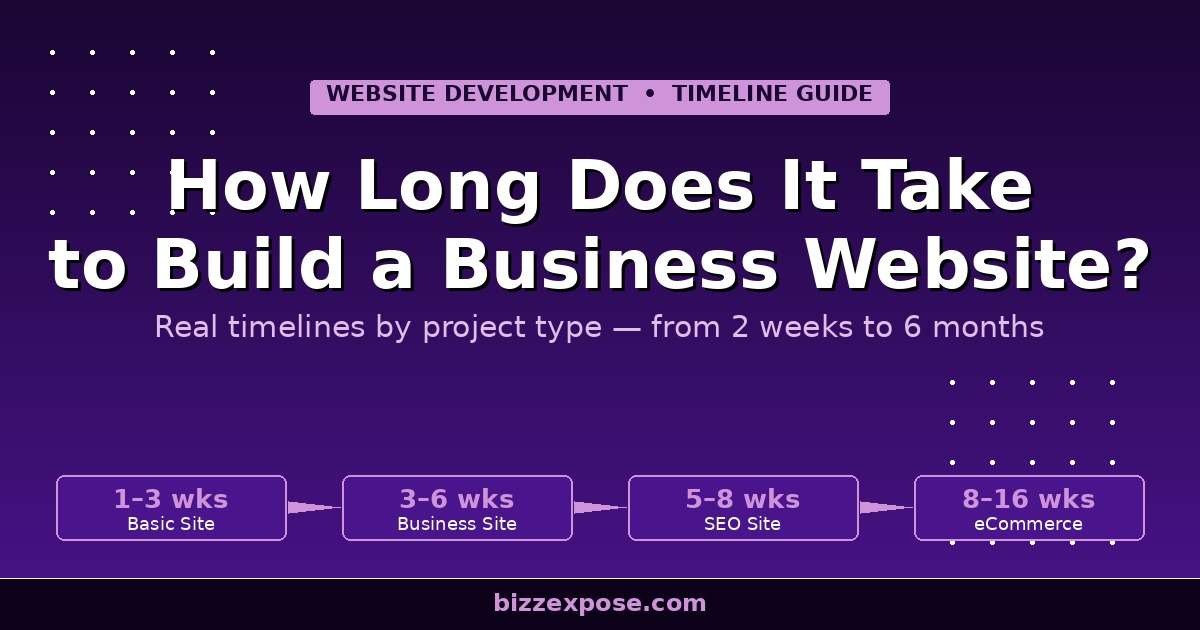
A professional WooCommerce e-commerce store typically takes four to eight weeks from initial briefing to launch, depending on the number of products, design complexity, and integration requirements. Simple stores with under 50 products can be launched in as little as three weeks.
Which Payment Gateway Is Best for South African E-Commerce?
PayFast is the most popular and widely integrated option for South African e-commerce. For the best customer experience, we recommend offering multiple payment methods including credit and debit cards via PayFast, instant EFT via Ozow, and mobile payments like SnapScan. More payment options means fewer abandoned carts.
Do I Need to Register a Company to Sell Online in South Africa?
You can start selling online as a sole proprietor, but registering a company (Pty Ltd) provides limited liability protection, appears more professional to customers, and is required by most payment gateways. CIPC company registration costs under R500 and can be completed online.
How Do I Handle Returns and Refunds for Online Sales?
South African consumer protection law (CPA) gives online shoppers a seven-day cooling-off period during which they can return goods for a full refund without giving a reason. Your returns policy must comply with this. Build return shipping costs into your pricing model and make the returns process simple and clearly communicated on your website.
Can I Sell Internationally From a South African E-Commerce Store?
Yes. WooCommerce supports multiple currencies, international shipping calculations, and global payment processing. However, international shipping from South Africa can be expensive, so it is typically more profitable to establish a strong domestic market first before expanding internationally.