How to Launch a Profitable Online Store in South Africa: Your Complete 2026 Guide
You’re sitting with inventory stacked in your warehouse. Every week, you’re losing sales to customers who can’t find you online. Your competitors are capturing market share while you’re still relying on foot traffic and WhatsApp orders. The pressure is real, the opportunity is massive, and you know something has to change.
This is the position thousands of South African business owners find themselves in right now. The good news? Building an online store in South Africa is no longer complicated, expensive, or risky. It’s become one of the most direct paths to revenue growth for SMMEs, manufacturers, wholesalers, and retailers across the country.
Why Now is the Time to Launch Your Online Store in South Africa
The numbers tell a compelling story. South African eCommerce revenue is projected to surpass R100 billion by 2025 (Statista), and that growth is accelerating. This isn’t just happening in Johannesburg or Cape Town. Durban, Pretoria, Bloemfontein, and smaller cities are all experiencing explosive growth in online shopping.
Here’s what’s changed in the last three years:
- Payment infrastructure has matured dramatically. You can now accept local payments, instant EFT, and card payments reliably.
- Logistics partners have scaled to reach almost every corner of South Africa, making same-day and next-day delivery realistic.
- Consumers have normalized online shopping. They expect to find products online, compare prices, and make purchases from their phones.
- Building a professional online store has become affordable for businesses of all sizes.
What this means for you: the barrier to entry has collapsed. You don’t need massive capital. You don’t need a tech team. You need the right strategy, the right platform, and the right support.
The Real Cost of NOT Having an Online Store
Before we dive into how to build one, let’s be honest about what inaction costs you.
Every day without an online presence, you’re leaving money on the table. Not small amounts either. We’re talking about 30-50% of potential revenue walking straight past you to your competitors who are already selling online.
Think about the last time you bought something. How many times did you search online first? Most people do this routinely now. If your product isn’t findable online, it doesn’t exist to a massive portion of your market.
Over 90% of South African internet users access the web via mobile (GSMA). That means your customers are literally carrying their wallets in their pockets, ready to buy. But they need to find you first.
The psychological weight of this is real. You watch your former competitors thrive online while you’re still doing things the old way. Meanwhile, your cash flow stays flat, your growth stalls, and the market keeps moving without you.
The solution isn’t to panic. It’s to act decisively with a proven plan.
The Foundation: Choosing the Right Platform for Your Online Store
This decision matters more than you think. The platform you choose shapes your costs, your capabilities, and your long-term flexibility.
At Bizzexpose, we’ve worked with hundreds of eCommerce clients since 2012, and we consistently recommend WooCommerce for South African businesses. Here’s why:
WooCommerce is built for growth. It’s a free, open-source plugin that transforms WordPress into a powerful e-commerce engine. You own your data. You control your store. You’re not locked into a vendor’s expensive pricing model.
WooCommerce supports local payment methods. This matters in South Africa. You need Peach Payments, PayGate, Yoco, and other local gateways. WooCommerce integrates seamlessly with all of them.
WooCommerce scales with your business. Whether you’re selling 10 products or 10,000, whether you’re doing R1,000 or R100,000 in monthly revenue, WooCommerce grows with you. Your costs stay predictable. Your capabilities expand.
WooCommerce gives you competitive advantage. You can add custom features, integrate with your existing systems, and adapt the store to your unique business needs in ways that proprietary platforms simply don’t allow.
We’ve seen this play out with clients across Durban, from manufacturers to retailers to service providers. The businesses that invested in WooCommerce platforms have the most sustainable, profitable, and scalable online operations.
Step 1: Validate Your Market and Products
Before you spend a single Rand building an online store, you need to know your market will actually buy from you online.
This sounds obvious, but we see businesses skip this step constantly, leading to wasted investment and frustration.
Ask these questions first:
-
Are your products suitable for online sales? (Some products are, some aren’t. A furniture manufacturer in Pinetown, for example, initially thought online sales wouldn’t work until realizing they could sell factory-direct to customers nationwide, cutting out the middleman and increasing margins by 40%.)
-
Who is your target customer online? (The person buying online often isn’t the same as your current in-store customer. You need to understand who shops online for your category and what problems they’re trying to solve.)
-
What’s your competitive landscape? (Search for your products on major South African retailers, Takealot, Superbalist, and independent stores. Understand what you’re competing against and why customers would choose you.)
-
Can you fulfill orders reliably? (Do you have the inventory, time, and logistics infrastructure to ship orders nationally and internationally? Can you handle spikes in demand?)
-
What’s your value proposition online? (Cheaper? Faster? Better quality? Exclusive? You need a clear reason why customers should buy from you instead of the incumbents.)
Practical validation approach: Set up a simple landing page describing your products. Run small targeted Facebook and Google ads for R500-1000 per week. Track clicks and message inquiries. If you’re getting genuine interest, build the store. If not, iterate your messaging and validate again.
This costs Rands, not thousands of Rands, and saves you from building a store for a market that doesn’t exist.
Step 2: Choose Your Domain and Hosting
Your domain is your storefront address online. It’s how customers find you, remember you, and trust you.
Choose a domain that:
- Reflects your brand clearly
- Includes your location if it’s part of your selling point (“DurbanHandcrafts.co.za” vs “Crafts.co.za”)
- Uses a .co.za domain if you’re primarily targeting South African customers (it signals local credibility)
- Is memorable and easy to spell
- Ideally includes keywords relevant to your business, but not at the expense of clarity
For hosting, you need a provider that:
- Offers reliable uptime (99.9%+ is standard)
- Provides local support in South African time zones (critical for urgent issues)
- Includes automatic backups and security features
- Offers WooCommerce-optimized hosting (not all hosts are equal here)
- Scales as you grow
For South African businesses, we typically recommend local hosting providers or international providers with strong South African infrastructure. This ensures fast loading times, critical for conversion rates and SEO ranking.
Cost reality: A domain costs R80-200 per year. Hosting costs R400-3000 per month depending on your traffic and performance needs. This is the cheapest part of your online store investment, so don’t skimp here.
Step 3: Building Your WooCommerce Store from the Ground Up
Now we get to the actual construction. Here’s the process:
Install WordPress and WooCommerce
WordPress is the foundation. WooCommerce is the e-commerce plugin that sits on top. Installation is straightforward, typically handled by your hosting provider or a technical partner.
You’ll set up:
- Your site title and tagline
- Permalink structure (how your URLs look)
- Basic WordPress settings
- WooCommerce tax and shipping settings
Design Your Store for Conversion
This is where many entrepreneurs make their first mistake. They think e-commerce design is about making it look pretty. It’s not. It’s about making it easy to buy.
Your online store design must accomplish these things:
-
Build trust immediately. Show testimonials, certifications, awards, years in business. Let customers know you’re legitimate. Include your actual address and phone number. Transparency breeds trust.
-
Make navigation obvious. Customers should find products within two clicks. Your category structure should mirror how customers think, not how you organize your inventory.
-
Showcase products powerfully. Multiple high-quality photos from different angles. Zoom functionality. Color and size options clearly displayed. Detailed descriptions that answer questions before customers ask them.
-
Make checkout frictionless. Every field you ask for is a reason someone abandons their cart. Ask only what you need. Show progress. Make guest checkout an option. Display security badges and payment methods accepted.
-
Display social proof constantly. Customer reviews, ratings, quantity sold, popular items. Human beings make decisions based on what others are doing. Use this.
Set Up Products and Categories
This is tedious work, but it matters for SEO and usability. Each product needs:
- Clear, descriptive title (include relevant keywords naturally)
- Detailed description that addresses common questions
- High-quality images (at least 3, ideally 6+)
- Pricing (transparent, no hidden fees)
- Stock status
- Attributes (size, color, material, etc.)
- Related products
Your categories should be logical and lean. Too many categories confuse customers. Too few and they can’t find what they want.
Integrate Payment Gateways
This is non-negotiable. You need to accept multiple payment methods because different customers prefer different options.
For South Africa, integrate:
- Peach Payments (comprehensive, supports cards, EFT, instant payment methods)
- PayGate (widely trusted, good for cards and EFT)
- Yoco (growing popularity, good for QR code payments)
- Stripe South Africa (reliable, good international option)
- Mobicred or Layby (if your market uses installment payments)
Don’t choose just one. Choice increases conversion rates. Some customers only use EFT. Some only use cards. Some want installment options. Meet them where they are.
Configure Shipping and Logistics
Your shipping strategy makes or breaks your profitability. Be precise here.
Options:
- Flat rate shipping: Fixed price regardless of distance or weight. Simple, predictable, but can be unfair to nearby customers.
- Weight-based shipping: Price varies by package weight. Good for diverse product ranges.
- Destination-based shipping: Different prices for different regions. Most flexible, reflects actual delivery costs.
- Free shipping: Absorb the cost in your product prices. Powerful for conversion, requires healthy margins.
For South African online stores, we typically recommend regional pricing:
- Gauteng: R50-80
- Coastal provinces: R80-120
- Mpumalanga, Limpopo, Northern Cape: R120-180
Partner with reliable couriers: Takealot’s logistics, Fastway, Parcelninja, or direct relationships with South African Post Office.
Automate order notifications. Customers want to know when their order is being picked, packed, and shipped. Real-time tracking reduces support inquiries dramatically.
Step 4: SEO Optimization for Your Online Store
SEO isn’t magic. It’s systematic visibility for your target customers.
Your focus keyword is “online store South Africa” but you’ll optimize for hundreds of related searches across your store.
On-page SEO:
- Include “online store South Africa” naturally in your homepage copy, at least one main heading, and your meta description
- Include secondary keywords (“WooCommerce website Durban”, “ecommerce South Africa”) in product categories and relevant pages
- Use descriptive heading hierarchy: one H1 per page, multiple H2s and H3s for structure
- Write product descriptions for humans first, search engines second. Use keywords naturally or not at all.
- Optimize page speed. Slow sites kill sales and tank SEO rankings. Compress images. Use a caching plugin. Test speed regularly.
Technical SEO:
- XML sitemaps (auto-generated by WooCommerce)
- Mobile responsiveness (non-negotiable in South Africa)
- HTTPS encryption (standard, expected, improves ranking)
- Clean URL structure
- Schema markup for products (helps Google understand your products)
Off-page SEO:
- Build backlinks to your online store from relevant South African business directories, industry sites, and local news sources
- Get listed in Google Business Profile with complete information, photos, and reviews
- Encourage customer reviews on your products (highly valued by Google)
- Create valuable content that answers customer questions and earns natural links
Local SEO for Durban-based stores:
If you’re in Durban and serve local customers, optimize aggressively for local searches. Your Google Business Profile should include Durban prominently. Your pages should mention Durban and surrounding areas naturally. This is how a homeware brand in Durban North gets found by customers across the city searching for “home decor online Durban”.
Step 5: Creating a Content Strategy That Drives Sales
Your online store is more than just product pages. It’s a marketing engine.
The goal of content is simple: answer questions your customers are asking. Do this better than anyone else, and you’ll earn their trust and their money.
Content types that work:
- Buying guides: “How to Choose the Right Fabric for Your Furniture” or “What Size Is Right for My Kitchen” – these pages capture customers early in their buying journey
- How-to content: “How to Install” or “How to Use” content builds confidence and reduces returns
- Comparison content: “Feature A vs Feature B” or “Product X vs Competitor Y” – captures customers doing research
- Blog posts: Address pain points, educate, build authority. One post per week is a good baseline.
- Video content: Product demos, testimonials, behind-the-scenes. Video increases trust and time on site.
Publish content consistently. Google rewards sites that update regularly. Your competitors aren’t doing this. That’s your advantage.
Real South African Success Stories
Let’s talk about what works in practice.
Case Study 1: The Durban North Homeware Brand
A Durban-based homeware retailer was losing customers to national online competitors. They had premium products but zero online visibility. We built them a WooCommerce store with:
- Lifestyle photography showing products in real homes
- Detailed descriptions addressing setup, maintenance, durability
- A “Design Tips” blog attracting customers early in their buying journey
- Optimized for “home decor online” and “furniture Durban”
Result: Within 6 months, they achieved 200% increase in online revenue. The online channel now accounts for 35% of total sales, with customers ordering from across South Africa. Margins on online sales are 8% higher because there’s no retail markup.
Case Study 2: The Pinetown Manufacturer Going Direct
A manufacturer in Pinetown had been selling wholesale to retailers. Retailers were taking 40% margins, leaving them thin profit margins. They built a WooCommerce store selling directly to consumers.
Key elements:
- Transparent pricing showing the “retail price” vs their “direct price” (social proof through pricing)
- Detailed product specifications and certifications
- Customer testimonials from businesses that bought from them
- Content about why buying direct matters (quality, pricing, customization)
Result: Within 12 months, direct-to-consumer sales exceeded wholesale revenue. They’re now selling across Southern Africa, using online store as their primary sales channel. This diversification also reduced their dependence on any single retail partner.
Both businesses validated our philosophy: when you give South African customers a good online experience with transparent pricing, reliable delivery, and genuine value, they’ll buy from you over national competitors.
Maximizing Profitability: Beyond Launch
Building an online store isn’t the finish line. It’s the beginning. Profitability comes from optimization and growth.
Day 30-90 after launch:
- Analyze what’s working. Which products sell fastest? What keywords bring traffic? Which traffic converts?
- Fix what isn’t working. Pages that don’t convert? Change them. Products that don’t sell? Adjust pricing or description.
- Double down on winners. Your best-selling products deserve more visibility, better photography, more content.
Month 4-12:
- Run targeted Facebook and Google ads to your most profitable products
- Implement email marketing to past customers (dramatically increases repeat purchases)
- Build an affiliate program (customers love referring friends and getting rewards)
- Expand your product range based on what customers are asking for
- Optimize checkout flow based on where people abandon carts
Year 2 and beyond:
- International expansion becomes viable. Many South African products are unique globally. WooCommerce and Stripe support selling internationally.
- Subscription models or VIP customer programs build predictable recurring revenue
- Scale your content strategy into your primary marketing channel
- Integrate inventory management systems for efficiency at scale
How Much Will This Cost?
Let’s get real about investment.
One-time costs:
- Domain: R100-200
- Website design and WooCommerce setup: R15,000-50,000 (depends on complexity)
- Initial photography and product setup: R5,000-20,000
- SSL certificate and security: Usually included in hosting
Ongoing monthly costs:
- Hosting: R400-2,000
- Domain renewal: R10-20 per month
- Email marketing platform: R300-2,000
- Payment processing fees: 2.5-4% of sales (this goes down as you scale)
- Occasional platform improvements: R1,000-5,000
Total first-year investment: Typically R40,000-100,000 for a professional, scalable online store.
Return on investment: An online store doing R10,000 in monthly sales generates R120,000 annually in gross revenue. At typical eCommerce margins (30-50%), that’s R36,000-60,000 in net profit. Your investment pays for itself within 6-12 months if you execute well.
Many clients achieve profitability within 90 days. Some take 12 months. The difference is usually traffic generation strategy and conversion optimization, not the store itself.
Why This Matters: The Competitive Moment You’re In
The companies winning online in South Africa right now aren’t the biggest. They’re the fastest. They saw the opportunity. They acted decisively. They built a real online presence while competitors were still debating whether it was worth it.
Every month you wait, your potential market shrinks. The manufacturers, retailers, and service providers who are already online are capturing share. Once they establish customer relationships online, it’s exponentially harder to compete.
The choice is simple: lead or follow. Build your online store now and establish dominance in your category, or watch competitors do it instead.
Get Your Online Store Built by Proven Experts
This is where certainty comes in. You know what an online store can do for your business. You know the market exists. You know the timing is right. The question is execution.
For 13 years, Bizzexpose has helped South African businesses build profitable online stores. We’re not a global agency with generic processes. We’re a Durban-based marketing and media agency that understands the South African market, the payment landscape, the logistics challenges, and what actually converts customers in this economy.
We build on WooCommerce because it’s the right choice for South African growth. We optimize for local keywords because we understand how South Africans search. We design for mobile-first because we know 90% of your customers access the web on their phones.
Here’s what we deliver:
- A professional, converting online store built on WooCommerce
- Complete setup including domain, hosting, SSL, payment integration
- SEO optimization for your focus keywords and category
- Professional product photography setup (or guidance for doing it yourself)
- Initial content strategy and blog foundation
- Staff training on store management and order fulfillment
- 90-day optimization period where we analyze data and improve conversion
[Mid-article CTA]
[Get a Quote] – Let’s discuss your online store strategy. You’ll get specific recommendations based on your products, market, and goals. No obligation, no sales pressure. Just honest advice from people who’ve done this hundreds of times.
Frequently Asked Questions About Online Stores in South Africa
Q1: How long does it take to build an online store?
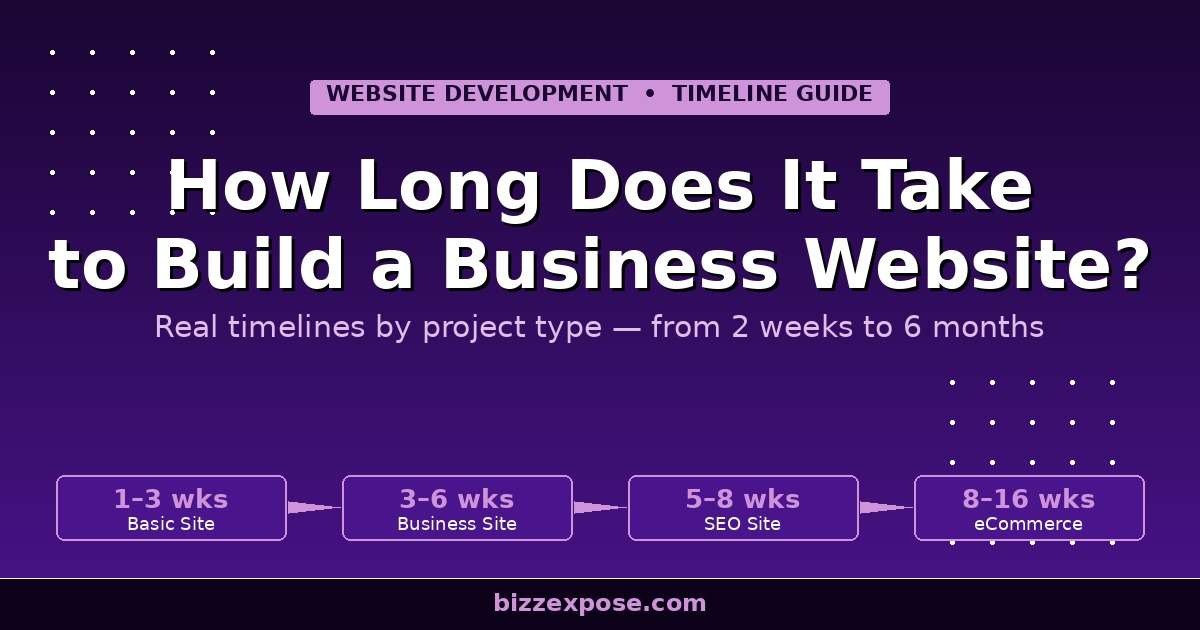
A: A properly built WooCommerce store typically takes 4-8 weeks from start to launch. This includes design, product setup, payment integration, initial optimization, and staff training. Rushed stores that launch in 2 weeks usually require significant rebuilding within 90 days. We recommend planning for 8 weeks to get it right.
Q2: Do I need to understand technology to run a WooCommerce store?
A: No. WooCommerce is designed for non-technical users. You can add products, process orders, check inventory, and manage most aspects of your store without touching code. We always provide training to your team so they can manage the store independently.
Q3: Will I make money in the first 3 months?
A: Possibly, but don’t count on it. Most online stores require 90-180 days to gain meaningful traction. You need time to drive traffic, build customer reviews, and optimize based on data. The stores that force revenue within 30 days usually cut corners that hurt them long-term. Plan conservatively, celebrate every customer, reinvest profits back into traffic generation.
Q4: Which payment gateway should I use in South Africa?
A: We recommend integrating 2-3 gateways to maximize conversion. Peach Payments handles the broadest range of payment methods. PayGate is trusted and reliable. Yoco is growing rapidly and popular with younger customers. The right answer for your store depends on your target customer.
Q5: Can I sell to customers outside South Africa from my online store?
A: Absolutely. WooCommerce supports multiple currencies and international shipping. The actual challenge is logistics (how do you ship internationally cost-effectively) and tax compliance (different countries have different rules). Many South African online stores find success selling to other African countries where shipping is more predictable. International expansion to Europe, US, and Australia is possible but requires more complex shipping and tax setup.
Q6: What happens if my store gets hacked or data is lost?
A: This is why hosting and security matter. Proper hosting includes automatic daily backups. Security plugins protect against common attacks. SSL encryption (standard on all legitimate stores) protects customer payment data. We implement security best practices in every store we build, and we recommend automated backups as insurance. In 13 years, we’ve never had a client suffer a data loss or security breach from negligence.
Conclusion: Your Online Store is Your Competitive Advantage
The South African eCommerce market is booming. Customers are ready to buy online. Payment infrastructure is reliable. Logistics reach most of the country. The barriers to entry have collapsed.
What this means for you: there’s no longer a good reason to delay. Your market opportunity exists right now. Your competitors are moving. The time to build your online store in South Africa is not next quarter or next year. It’s now.
The businesses that win at eCommerce aren’t the biggest or the oldest. They’re the ones who moved decisively when they saw the opportunity. They built on proven platforms like WooCommerce. They optimized for their local market. They invested in conversion rather than vanity metrics.
You have everything you need to succeed: a real market, proven technology, experienced partners, and clear ROI. What matters now is taking action.
[Closing CTA]
[Contact Us] – Let’s build your online store. We’ll handle the technical complexity so you can focus on growing revenue. You’ll have a professional, converting WooCommerce store generating sales within 90 days. That’s not a promise based on hope. That’s based on 13 years of doing exactly this for South African businesses.
Your customers are waiting to buy from you online. Let’s make it happen.
About Bizzexpose
Bizzexpose is a corporate marketing and media agency based in Westville, Durban, South Africa. We’ve helped hundreds of South African businesses build profitable online presence, from SMMEs to established retailers. Our specialty is WooCommerce e-commerce development, SEO optimization, and digital marketing strategy tailored to the South African market.
Learn more about our eCommerce services | Explore our website development capabilities | Get in touch with our team