Your E-Commerce Store South Africa Is Losing Sales to Competitors Right Now
You lie awake at night thinking about it. Another Durban business owner scrolling past your Instagram story, not knowing your products exist. Your competitor already runs an e-commerce store South Africa buyers discover every day — capturing customers from Cape Town, Johannesburg, and every province in between. Meanwhile, you’re stuck relying on foot traffic and word of mouth.
The feeling is real. Your products are good. Your service is solid. But right now, you’re invisible where the buying actually happens: online.
South Africa’s e-commerce market is booming. In 2024, the national online retail market surpassed R90 billion in value, with year-on-year growth consistently hitting double digits. Yet most Durban business owners remain offline, watching revenue pass them by to competitors who figured this out years ago.
Here’s the truth: every day you wait is a day a customer buys from someone else. The good news is that launching a profitable e-commerce store in South Africa no longer requires a large budget or technical background. This guide shows you exactly how — step by step.
Why E-Commerce Is No Longer Optional in 2026
Before we build, let’s be clear about why this matters now more than ever.
The Market Reality
South African online shoppers are more confident and active than at any point in history. Post-2020, over 60% of SA consumers say they prefer to browse online before purchasing, even when they ultimately buy in-store. Furthermore, mobile commerce now drives over 70% of online traffic in South Africa, meaning your store must work flawlessly on a phone from day one.
However, the shift isn’t just about convenience. It’s about reach. When you operate a physical store, your customer base is geographical. A shop in Umhlanga cannot easily reach customers in Berea. An online store removes that barrier completely — and permanently.
The Durban Advantage
Durban sits at a strategic advantage point. As a major port city with strong logistics infrastructure, your e-commerce store can leverage Durban’s shipping networks to reach customers across South Africa faster and cheaper than inland competitors. Specifically, you have access to Fastway, The Courier Guy, and Takealot Logistics — all with established Durban hubs.
Moreover, Durban’s growing middle class and expanding internet penetration in KZN mean your local market is deepening every year. Yet most Durban business owners have not capitalised on this advantage — and that gap is your opportunity.
The Real Cost of Waiting
Let’s talk about opportunity cost in real numbers. If you add just 20 online orders per month at an average value of R500 each, that’s R10,000 in additional monthly revenue. Over 12 months, that’s R120,000. At a 40% margin, you’re looking at R48,000 in additional annual profit — money that currently belongs to your competitors.
As a result, every month you delay is a month that revenue evaporates. The question is not whether to launch. The question is how fast you can do it right.
Step 1: Choose Your E-Commerce Platform
This decision shapes everything that follows. In South Africa, two platforms dominate: WooCommerce and Shopify. Here’s how to choose correctly for your business.
WooCommerce: The South African Default
WooCommerce powers over 65% of South African online stores. Built on WordPress, it gives you full control over your site, your data, and your costs. There’s no monthly platform fee — you pay for hosting (from around R100/month), a domain (around R200/year), and any premium plugins you choose.
Additionally, WooCommerce integrates natively with Payfast, PayGate, and other South African payment gateways. It handles VAT correctly for local businesses and scales from a 10-product store to a 10,000-product catalogue without platform penalties. Indeed, for most Durban businesses, WooCommerce is the clear choice.
For Durban businesses working with Bizzexpose, WooCommerce is the recommended platform. It gives your development team full access, avoids ongoing platform fees, and integrates with your existing WordPress website.
When to Consider Shopify Instead
Shopify is worth considering if you plan to sell internationally from day one, or if you want a fully managed solution with no hosting responsibility. In general, however, the monthly fees (from $39/month) and limited local payment gateway options make Shopify less practical for a Durban business focused on the South African market.
Step 2: Build Your E-Commerce Store South Africa Customers Will Trust
Platform chosen. Now build it correctly. Most online stores fail not because of poor products but because of poor execution on these four fundamentals.
Product Photography That Actually Sells
This is where most Durban business owners underinvest. Blurry phone photos on a cluttered background are the fastest way to lose a sale. Research shows that high-quality product images increase online conversion rates by up to 40%.
A Durban homeware brand recently invested in a two-hour product shoot at our Westville studio. The result: their online conversion rate rose from 0.8% to 2.4% within a month of updating their product photos. That’s a 3x improvement — a direct income increase. Therefore, before you launch, allocate budget for professional photography. Use clean backgrounds, multiple angles, and lifestyle shots where relevant.
Payment Processing
South African customers expect multiple payment options. Your store should offer:
- Credit and debit cards (Visa, Mastercard)
- EFT bank transfers
- Mobile wallets (SnapScan, Zapper)
- Buy now, pay later (Payflex, PayJustNow, Unifree)
Payfast integrates directly with WooCommerce and remains the most trusted payment gateway in South Africa. Transaction fees range from 2.5% to 4% per transaction plus a fixed fee. Consequently, build these into your pricing from the start — never absorb them as an afterthought.
Shipping Strategy
Shipping makes or breaks profitability for any new store. For a new Durban store, start simple. Offer courier delivery via Fastway or The Courier Guy within KZN and Gauteng. Calculate real shipping costs — never estimate. An item costing R40 to ship must not be listed with a R20 shipping fee. Since you will bleed money on every order, get this right before launch.
In addition, many successful Durban stores begin by offering local collection at a physical point. This eliminates shipping costs for local buyers and becomes a meaningful conversion advantage, particularly for perishables or fragile items.
Trust Signals That Convert Sceptical Buyers
South African customers have been burned by online scams. Consequently, your store must radiate legitimacy from the first scroll. Display customer reviews prominently — even one genuine 5-star review outweighs perfect marketing copy. Show your business location: “Based in Durban, South Africa” in your footer, a real phone number, and a clearly stated returns policy all signal safety to a first-time buyer and significantly improve conversion rates.
Step 3: Drive Targeted Traffic to Your Store
A beautifully built store with zero visitors generates zero revenue. Traffic is the engine. These are the three channels that deliver the fastest returns for a new South African e-commerce store.
SEO: The Long Game That Pays Forever
Search engine optimisation positions your store to capture buyers actively searching for what you sell. For example, a Durban kitchen supply store ranking on page one for “buy pots and pans Durban” captures ready-to-purchase intent with no ongoing cost per click once the ranking is established.
Start by ensuring your product titles include the exact terms buyers search for. Write detailed product descriptions — at least 200 words per product page. Also, build a blog around questions your customers actually ask. Since internal links between your blog and product pages accelerate your overall ranking, plan your content structure before you launch. Bizzexpose’s digital marketing team specialises in e-commerce SEO for South African stores. Most clients see measurable ranking improvements within 90 days.
Google Ads: Immediate Visibility While SEO Builds
Google Shopping ads display your products directly in search results — with an image, price, and your store name. For South African stores, Shopping ads deliver some of the highest purchase intent of any paid channel available. Thus, they are ideal for generating early revenue while your SEO builds.
Start with a R500/week budget. Test for two weeks. Keep what converts. Cut what doesn’t. However, never run Google Ads without conversion tracking properly configured. Without data, you’re spending blind — and that’s how new stores burn through budget with nothing to show for it.
Social Media: Build Trust and Community
Instagram and Facebook remain the most active social platforms in South Africa. Use them to show your products in real-life context, amplify customer reviews, and build a community around your brand. However, social media alone rarely drives sufficient direct sales for a new store. Think of it as trust infrastructure. When someone sees your Google ad and then finds your active, engaged Instagram, they are far more likely to buy.
Step 4: Convert Visitors Into Paying Customers
Traffic without conversion is an expensive vanity metric. Here’s what actually moves buyers across the line.
Reduce Checkout Friction
Every additional step in your checkout process costs you sales. WooCommerce’s one-page checkout — available via free plugin — reduces abandonment significantly. Offer guest checkout, since many buyers refuse to create accounts. Furthermore, display the full order total, including shipping, before the final payment step. Hidden shipping costs are the single biggest cause of cart abandonment in South Africa.
Use Urgency Ethically to Drive Action
Genuine scarcity and urgency increase conversions without manipulation. “Only 3 left in stock” (when true) or “Free delivery ends Friday” are legitimate triggers that give buyers a reason to act now. Specifically, a Durban fashion retailer added a real-time stock counter to their WooCommerce product pages and saw a 22% increase in add-to-cart rates within three weeks. Similarly, countdown timers on limited offers consistently outperform standard pricing pages. Honesty is ultimately the best conversion strategy.
Step 5: Measure What Actually Matters
These are the four numbers every South African e-commerce store owner must track monthly:
- Monthly unique visitors
- Conversion rate — the percentage of visitors who purchase
- Average order value
- Cost per acquisition — total ad spend divided by number of sales made
Setting Realistic Benchmarks
In your first month, expect 10–50 visitors daily, depending on your marketing budget. A conversion rate of 1–2% is healthy initially. Target an average order value above R500. Furthermore, your cost per acquisition should decrease month-on-month as you optimise your campaigns. If these numbers aren’t improving, something in the system needs fixing before you scale. Find it, address it — do not throw more budget at a broken funnel.
Step 6: Build for Sustainability Beyond the Launch
The first 100 sales are the hardest. The next 100 get easier — but only if you build the right systems from the beginning.
Build Your Email List From Day One
Every customer is an opportunity to build a long-term relationship. Offer a 10% discount in exchange for an email signup at checkout. Send monthly newsletters featuring new products, useful content, and exclusive offers. In general, email marketing delivers the highest ROI of any digital channel — research consistently shows up to R40 returned for every R1 spent.
A Durban clothing store built an email list of 5,000 subscribers over 18 months. One newsletter announcing a new winter collection generated R80,000 in sales within 48 hours. Therefore, email is your most valuable marketing asset after the product itself.
Expand Your Product Range Strategically
Don’t launch with 500 products. Instead, start with your 10–20 best sellers, understand exactly what converts and why, and expand from there. Breadth without depth creates buyer confusion and spreads your marketing budget thin. So, launch lean, learn fast, and scale what the data tells you works.
How Bizzexpose Builds Your E-Commerce Store South Africa Launch
Most Durban business owners attempting to launch an e-commerce store alone hit the same three walls: technical setup complexity, content quality, and traffic strategy. Bizzexpose removes all three simultaneously.
What We Handle for You
Our team manages WooCommerce build and configuration, professional product photography in our 315sqm Westville studio, Google Ads and SEO management, and ongoing conversion optimisation. We have helped Durban businesses across retail, food, fashion, and professional services go from zero to live in as little as six weeks. Moreover, we stay on after launch — because traffic and optimisation are where the real growth happens.
Results Our Clients See
Clients who previously had no online presence are now generating consistent monthly revenue — some exceeding R100,000/month from their e-commerce store alone. Accordingly, you don’t need to figure this out by yourself. The systems and expertise already exist.
Explore our e-commerce development packages or book your free 15-minute strategy call to discuss your products and goals.
FAQ: E-Commerce Store South Africa
How much does it cost to build an e-commerce store in South Africa?
A professional WooCommerce store with setup, product photography, and payment gateway integration typically costs between R8,000 and R25,000. Additionally, ongoing monthly costs include hosting (from R100/month), domain renewal (around R200/year), and any paid plugins or marketing budget you choose to run.
How long does it take to launch an online store?
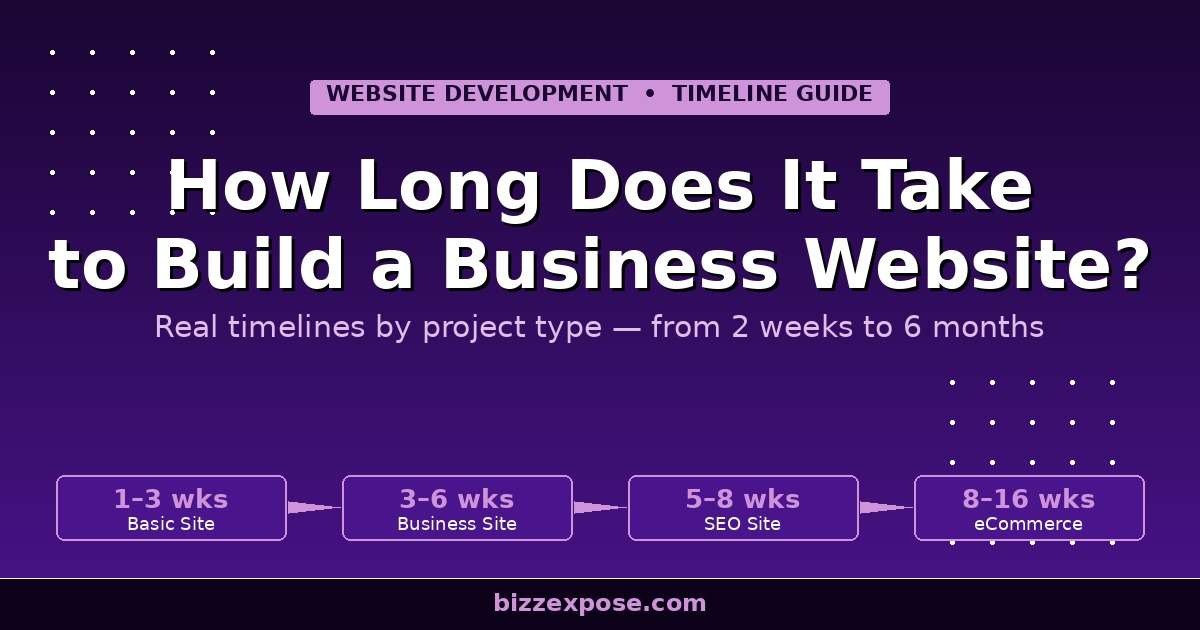
With a professional team, a fully functional e-commerce store in South Africa can be live within 3–6 weeks. The timeline depends on the number of products, availability of photography and content, and the complexity of delivery or custom requirements specific to your business.
Do I need to register my business to sell online in South Africa?
Formal registration is not legally required to start selling, but it’s strongly recommended. A registered business allows you to open a business bank account, accept EFT payments professionally, issue valid tax invoices, and register for VAT once you exceed R1 million in annual turnover. Moreover, customers trust registered businesses more — it signals permanence and accountability.
Which payment gateway is best for South African online stores?
Payfast is the most widely used and trusted payment gateway for South African WooCommerce stores. It supports credit cards, EFT, and all major mobile wallets including SnapScan and Zapper. Alternatively, Peach Payments and PayGate are strong options, particularly for businesses processing higher monthly volumes.
Can I manage a WooCommerce store without technical skills?
Day-to-day management — adding products, processing orders, updating prices — requires no coding skills at all. However, initial setup, hosting configuration, speed optimisation, and SEO benefit significantly from professional expertise. Bizzexpose offers ongoing managed service packages for clients who prefer to focus on their business rather than their website.
How do I handle returns and refunds for my South African online store?
South Africa’s Consumer Protection Act (CPA) requires you to accept returns within five business days for most goods. Your returns policy must be clearly displayed before the checkout step. In addition, WooCommerce includes a built-in refund management system. For physical products, define who bears return shipping costs upfront — this prevents disputes and protects your margin.
Your Next Step: Start Building Your E-Commerce Store South Africa Today
You’ve seen the opportunity. You understand the steps. The market is growing, the tools exist, and Durban businesses are proving this works every day. What separates those winning online from those watching competitors win is simply the decision to act.
Don’t wait for perfect conditions. Launch with your best 10 products, professional photography, and expert setup. Build from there. Bizzexpose is ready to help you move from idea to income — fast.
Book your free 15-minute strategy call today and let’s map out your e-commerce launch plan together.